Why Cutting Lead Time on Custom Mechanical Parts Does Not Have to Mean Cutting Tolerance
Smart tolerance selection at the quoting stage protects precision while cutting lead time.

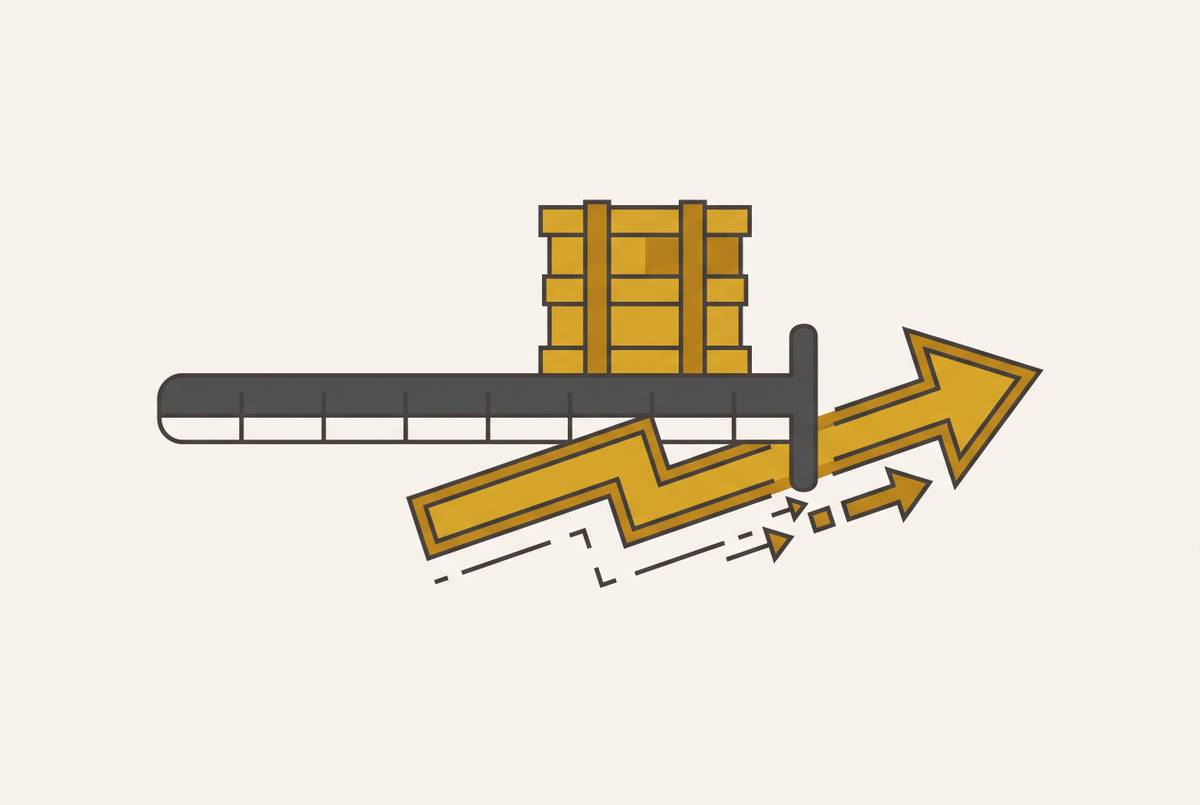
Fast-turn custom parts for hardware startups do not have to come with looser tolerances. The way to shorten lead time is to protect dimensions that control fit and function, then remove unnecessary machining and inspection demands elsewhere. Design for manufacturing, or DFM, makes that distinction before a quote is finalized, while the material, process, and design can still change without disrupting production.
Why the speed-versus-precision framing is a tolerance strategy problem, not an engineering reality
The quote comes back late, the machinist pushes back on the drawing, and the delivery date stretches. Accept a slower part or loosen the specification. But that choice assumes every tight tolerance on the drawing earns its place, even when only one or two dimensions control whether the part works.
A tight callout on a non-critical surface can take more time to inspect, raise the risk of scrap, or require another setup without improving fit or function. The extra work still takes real time. DFM removes that burden where it serves no purpose while preserving the precision the application requires.
How most of a part's lead time is determined before the order is placed
Most of a part’s lead time is set before the supplier receives the order. Material selection, tolerance callouts, finish requirements, and file quality determine what the shop must source, make, inspect, and clarify. The machine is only part of that timeline. A faster cutting cycle cannot recover time spent waiting for material or resolving a contradiction between the model and drawing.
Material sourcing is the largest driver of extended lead time. Choosing a readily available material that meets the application’s needs can shorten the schedule without changing dimensional accuracy. Finish requirements create another upstream constraint because secondary surface treatments add time to both machined and sheet metal parts. A finish the part does not need adds time without helping it work better. The same distinction applies to inspection, with first article inspection and CMM reporting adding work that should match the part’s actual requirements.
When drawings are unclear, information is missing, or design requirements conflict, the supplier has to ask questions before work can go ahead. Each affected order can lose days to that exchange. Penta Precision identifies quoting-stage DFM as a way to reduce setup complexity, tool changes, inspection burden, rework risk, and production delays. Those gains come from changing the work required before it reaches the shop floor.
What DFM actually does to a tolerance specification and why that changes the machining and inspection burden
A tolerance review starts by separating critical-to-function features from everything else. PEKO Precision starts its checklist by separating those features so that only the surfaces that need the extra inspection get it. Critical dimensions retain their necessary limits. Other callouts are reviewed against both the feature’s job and the capability of the intended process.
This changes more than the final inspection step. A needlessly tight tolerance affects quoting, programming, setup strategy, cutting conditions, inspection, and the risk of rework. Removing it removes demands throughout that chain. However, the review cannot treat tolerance as an isolated setting because process selection, design simplification, material choice, tolerance management, and standardization work together. A callout that is easy to hold with one production route may require special measures with another.
The connector pin example makes that interaction concrete. Its starting design combined sharp internal edges, tight tolerances across all features, and non-standard dimensions. The DFM changes added radii, relaxed non-critical tolerances, and standardized dimensions. Each change cut a different part of the work needed to make the pin while keeping the critical dimensions just as precise.
Standard drill sizes, thread forms, and radii reduce tooling cost and setup time. Simplifying undercuts and unnecessary geometry can also reduce the number of setups needed to make the part. With fewer setups, there are fewer chances for error to build up on critical surfaces.
Why DFM must happen at the quoting stage to actually protect lead time
The quoting stage is the last practical point to make these changes before production commitments turn them into disruption. The design, production route, and cost structure are still adjustable. After tooling or production begins, a design change costs more and recovers less time. A late review may still solve a problem, but it forfeits much of the schedule benefit available before release.
Penta links early DFM with quote accuracy, process stability, first-off approval, batch repeatability, inspection clarity, and more predictable lead times. That is broader than a warning that a feature will be difficult to machine. It gives the engineer options before the route is fixed. The alternative is a loop of engineering questions, drawing revisions, requotes, and re-release, each consuming time before useful production can proceed.
Instant quoting with DFM feedback addresses that delay directly. Automated geometry reading can extract tolerance and surface-finish requirements from uploaded CAD files, reducing feedback time from days to seconds. With same-day engineer support, those issues can be discussed while the quote is still open. The useful distinction is therefore not just how quickly a supplier returns a price, but whether manufacturing feedback arrives soon enough to change the work behind it.
How process and material selection interact with tolerance to set the speed-precision ceiling
Every manufacturing process has a native tolerance capability. A tighter limit calls for special measures that take more time, while a limit within that capability avoids the extra lead time. DFM works within it by matching the process, geometry, material, and tolerance instead of demanding that one decision compensate for the others.
Penta uses aluminium and stainless steel to illustrate the material trade-off. Aluminium machines quickly and predictably across common finishing processes, while stainless may provide needed corrosion resistance or strength at the cost of longer machining time. The application decides which is appropriate. A high-performance grade copied from an earlier program may take longer to cut or source even when the current part does not need it. Free-machining steels, brass alloys, and certain aluminium grades offer different machining demands from exotic alloys, so the material name belongs in the schedule discussion.
Process fit also changes as volume increases. A design that works well as a CNC prototype may need reconsideration for casting or sheet metal in production. In PEKO’s structural assembly example, bolted construction and alignment features took the place of welding, which improved consistency, quality, and unit cost as volumes grew. The intervention changed the production method. It shows why a useful DFM review asks whether the chosen process fits the design before debating how tightly that process must hold it.
How the same DFM logic applies to specialty fabrication — springs, gaskets, and tube bending — where tolerance-lead time linkage is most direct and quantified
Specialty components can put the schedule at risk when work on how to make them starts only after the main machined parts are settled. Springs make that timing problem clear. Early involvement from a spring manufacturer allows tooling and material acquisition to proceed in parallel with design work. For critical spring dimensions, the stated industry best-practice target is a process capability index, or Cpk, of 1.33 or higher, giving the tolerance discussion a measurable process requirement.
Gaskets shift the emphasis from dimensions to material and specialty. Their lead time depends more on the compound and configuration than on tolerance, particularly where proprietary production processes are required. Relaxing a dimensional callout cannot remove the production demands of a specialty compound. DFM must therefore consider what the gasket is made from and how that choice constrains fabrication.
Tube bending brings the focus back to first-article success. Precision bending can hold tight tolerances across a wide range of radii and configurations, and specialist shops offer rush services. Proper DFM preparation supports meeting the specification on the first article and maintaining it through high-volume runs. That avoids treating repeated correction as part of the normal schedule. Across these specialties, the schedule benefit comes from addressing tolerance, material, and process together rather than leaving the small components on the BOM until last.
Why fragmented multi-vendor sourcing undoes DFM gains and what consolidation restores
A well-designed part can still become part of a poorly coordinated assembly. When suppliers work to mismatched tolerance and quality standards, gains made on individual components can disappear at their interfaces. Machining tolerances may conflict with casting dimensions, or welding deformation may ruin a machined surface. Errors in dimensions can then keep the parts from fitting together even though each process had its own plan. These are coordination failures that a part-by-part review cannot fully resolve.
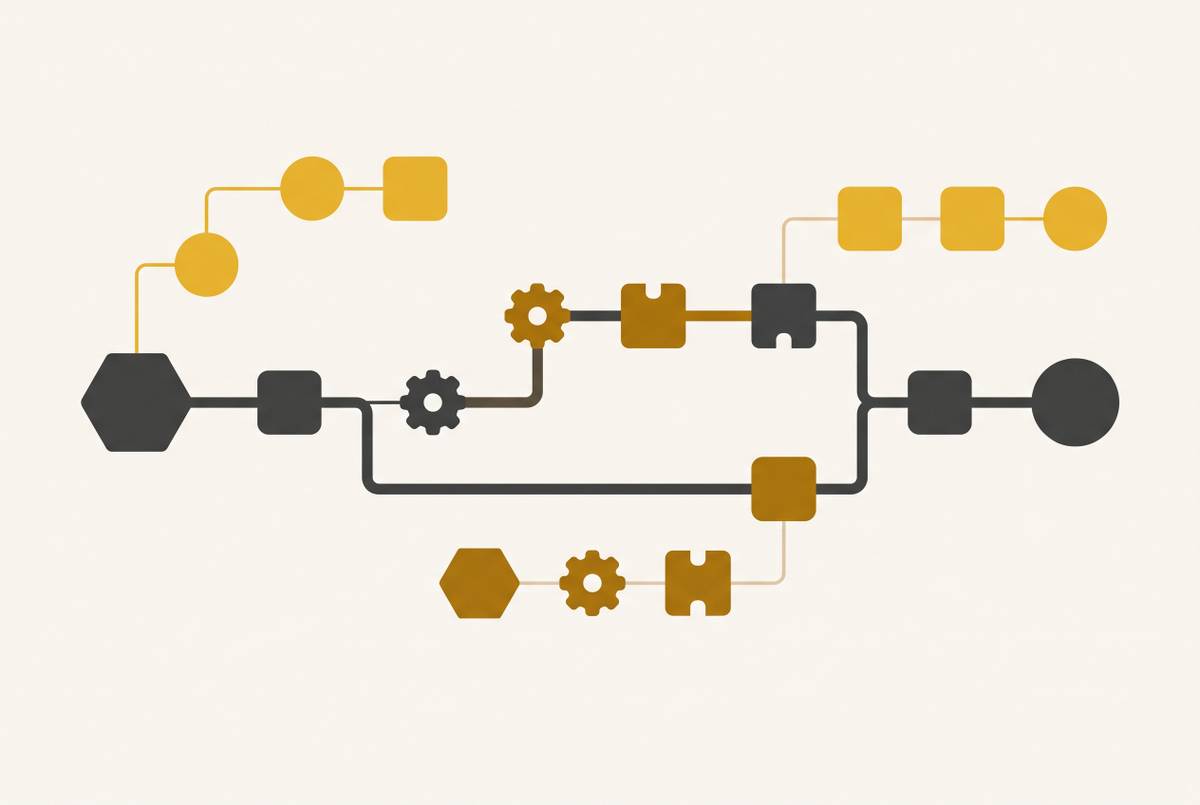
Consolidation extends DFM to the complete mechanical BOM. One engineering partner coordinating factories and controlling drawings can review the production flow as a whole. PEKO includes sourcing and supplier constraints in its DFM checklist, placing that review before design release. The medical enclosure example illustrates the value of the wider view through a CNC-and-sheet-metal hybrid DFM optimization and multi-process approach that significantly shortened lead time.
One quote, one purchase order, and one shipment reduce the administrative work of coordinating separate schedules, quality processes, and commercial arrangements. Full-BOM coverage brings hard-to-quote springs, gaskets, and bent tubes into the shared plan, so they get the same benefit. But consolidation is not a command to single-source everything. Qualified alternatives still make sense where there is a real risk to supply.
How should hardware startups prepare designs for fast-turn custom parts?
Engineers should begin by identifying the dimensions and surfaces that control fit and function. Those requirements need protection. The remaining tolerances and finishes should be reviewed for whether they serve a real purpose and whether the intended process can hold them without special measures. This gives the quoting partner a clear distinction between requirements that must stay and choices that can change.
The next step is to challenge material and geometry choices before they become fixed. A grade selected from habit deserves a review for availability and machinability, even if it worked on a previous program. Standard drill sizes, thread forms, and radii should replace non-standard features wherever the part can still do its job. Unnecessary undercuts and complex geometry should also be checked. These changes cut the work needed to make the part while keeping the tolerance budget that critical features need.
Specialty fabrication should enter that discussion early enough for tooling and material acquisition to run in parallel with the rest of the design work. The full BOM should also be reviewed for sensible consolidation across manufacturing processes. A startup comparing rapid prototyping suppliers under a tight deadline should look for quoting-stage DFM feedback, same-day engineering support, and a supplier that can coordinate the processes needed. A quick price without manufacturing input does not resolve the design questions that can delay release.
The highest-leverage submission is a complete package of CAD files, drawings, and the BOM, with critical features clearly identified. With that package, a partner can discuss process fit, which materials are available, tolerances, and what inspection is needed before the production route is fixed. It also keeps missing information from becoming another round of questions. Submit it to a partner capable of returning DFM feedback at quoting, when that feedback can still be accommodated through schedule changes.