The Line Items That Reveal Whether a Sourcing Platform Is Actually Full-Service or Just Easy-Parts-Service
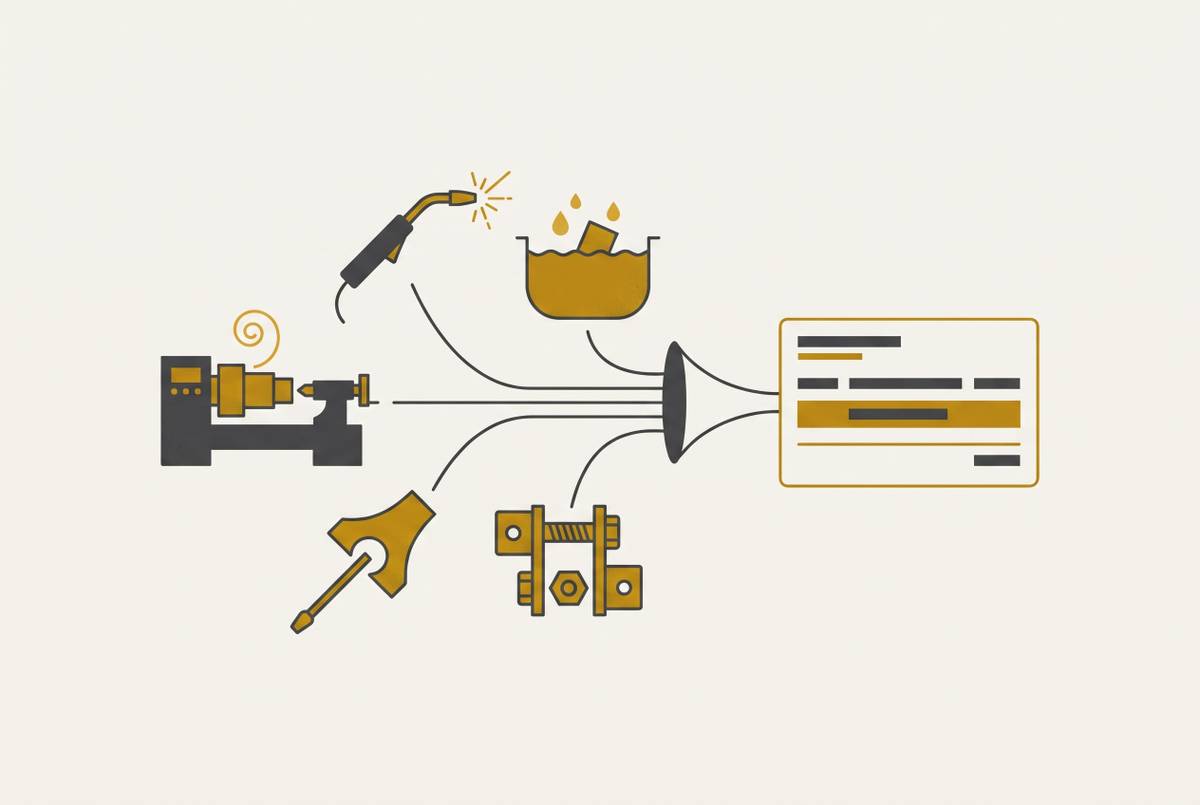
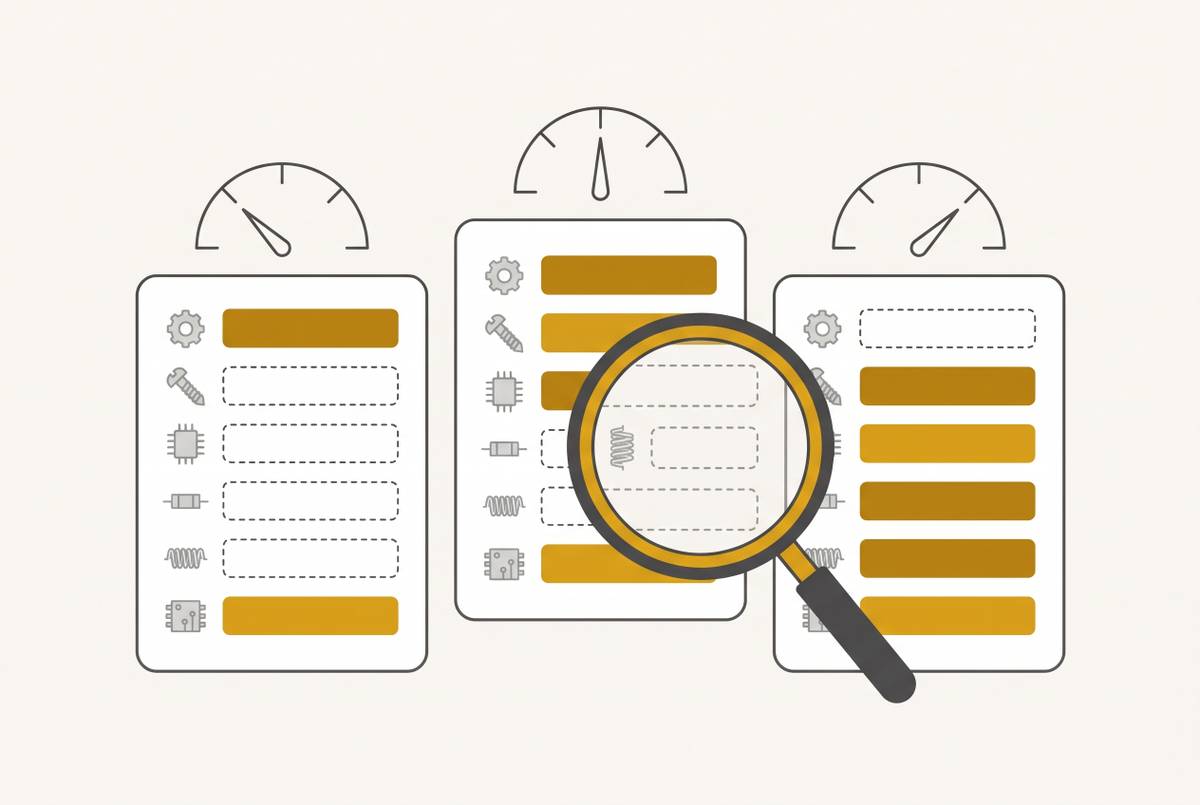
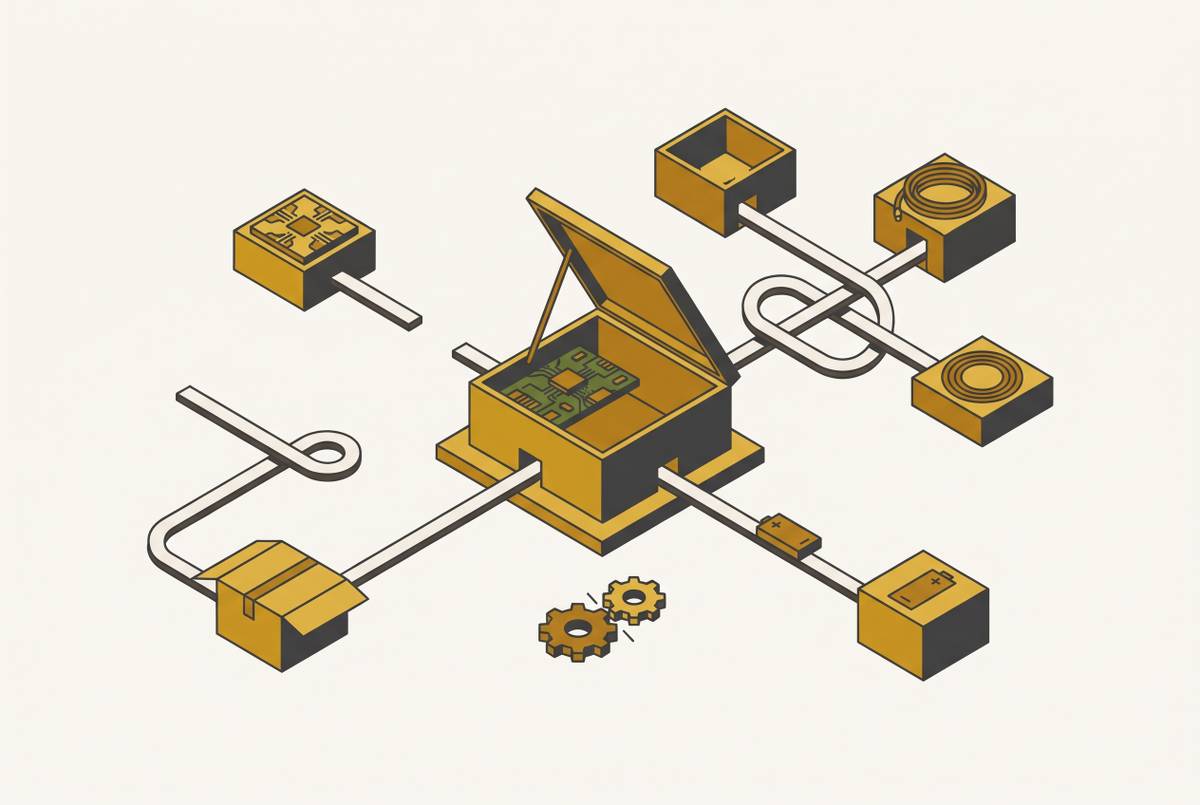
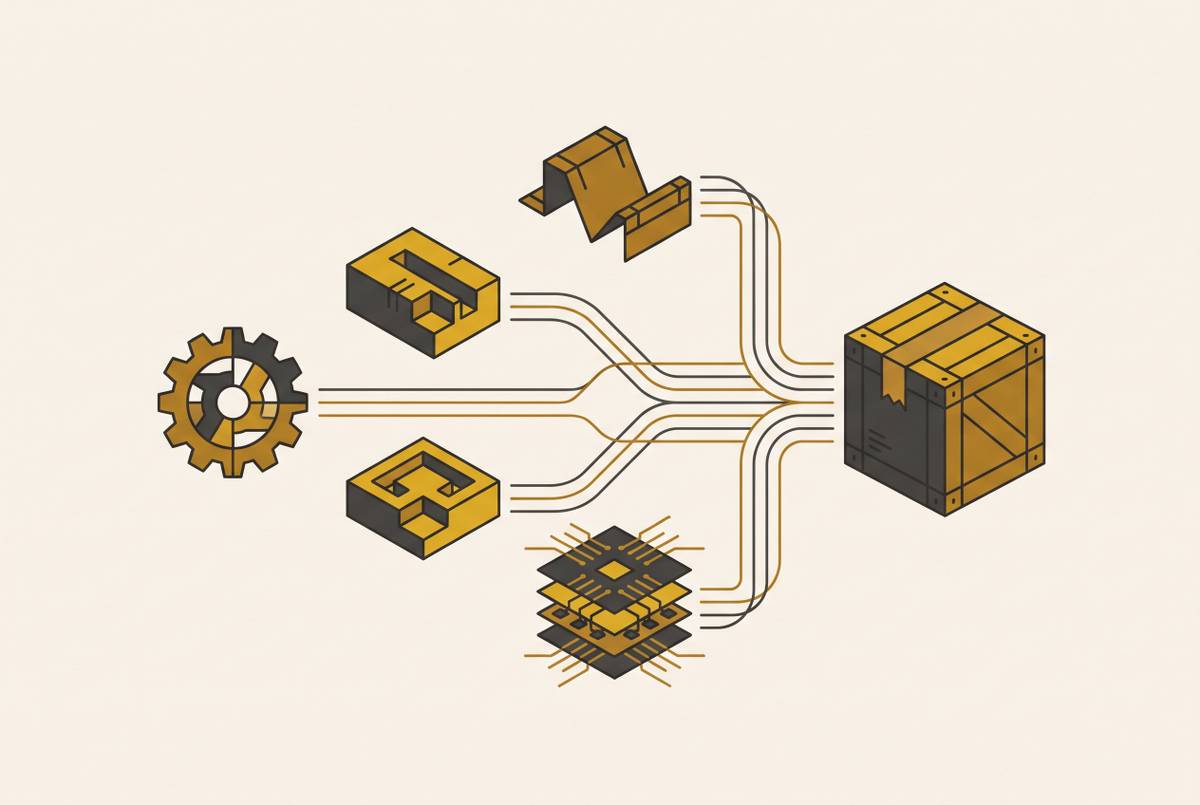
Four test lines show whether a platform quotes your whole BOM.
Marcus Thill
Section
17 stories in BOM Management.
Four test lines show whether a platform quotes your whole BOM.
Owning every process step cuts handoff delays and blame-shifting on defects.
Quote refusals reveal what sourcing platforms can really handle.
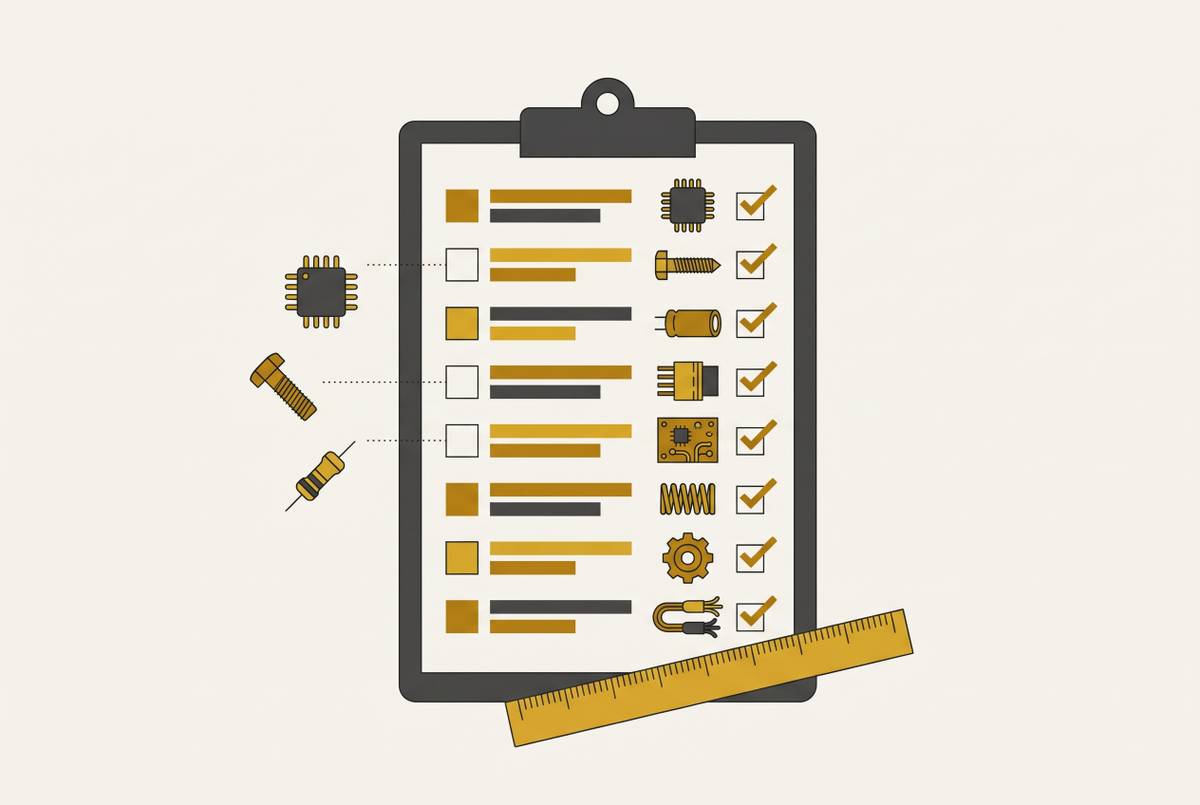
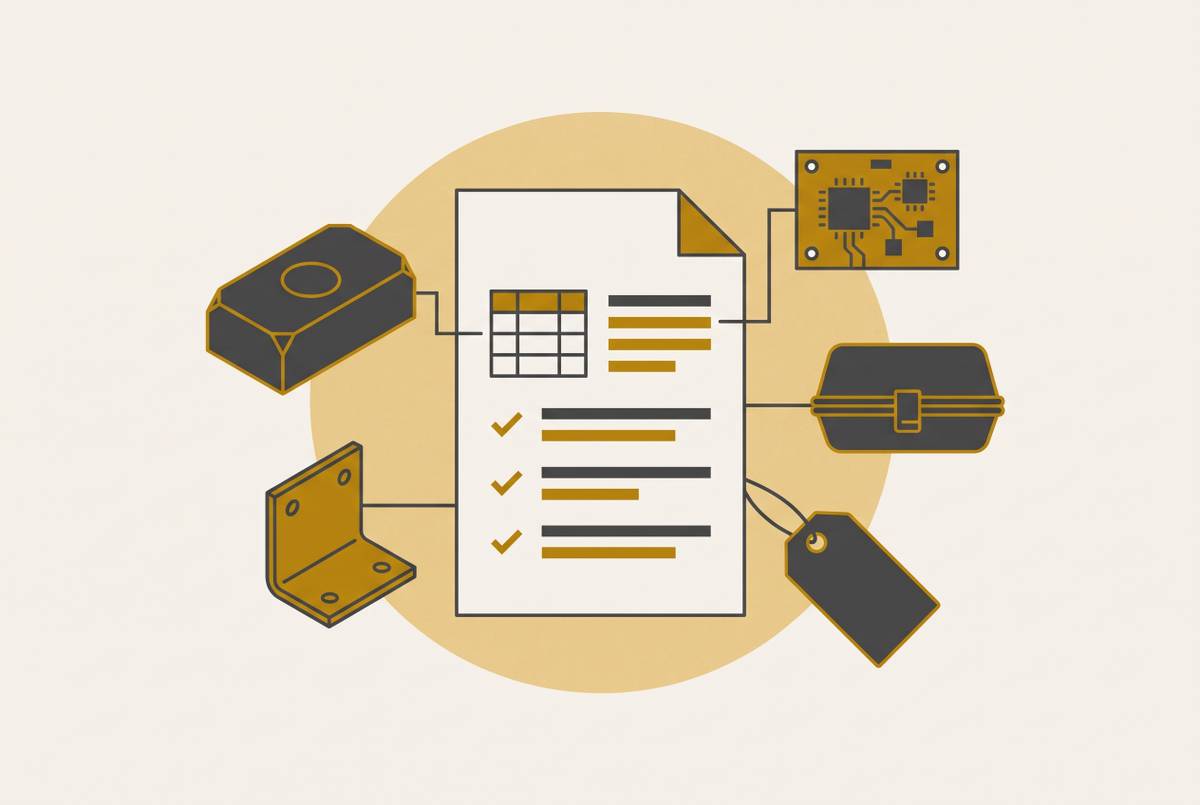
Quoting the whole mechanical BOM at once exposes conflicts while design can still change.
Five capabilities decide whether one platform can own your whole build.
Splitting a build across vendors creates gaps no single shop owns.
Specify each process's minimum inputs upfront to eliminate quote delays and safety-inflated pricing.
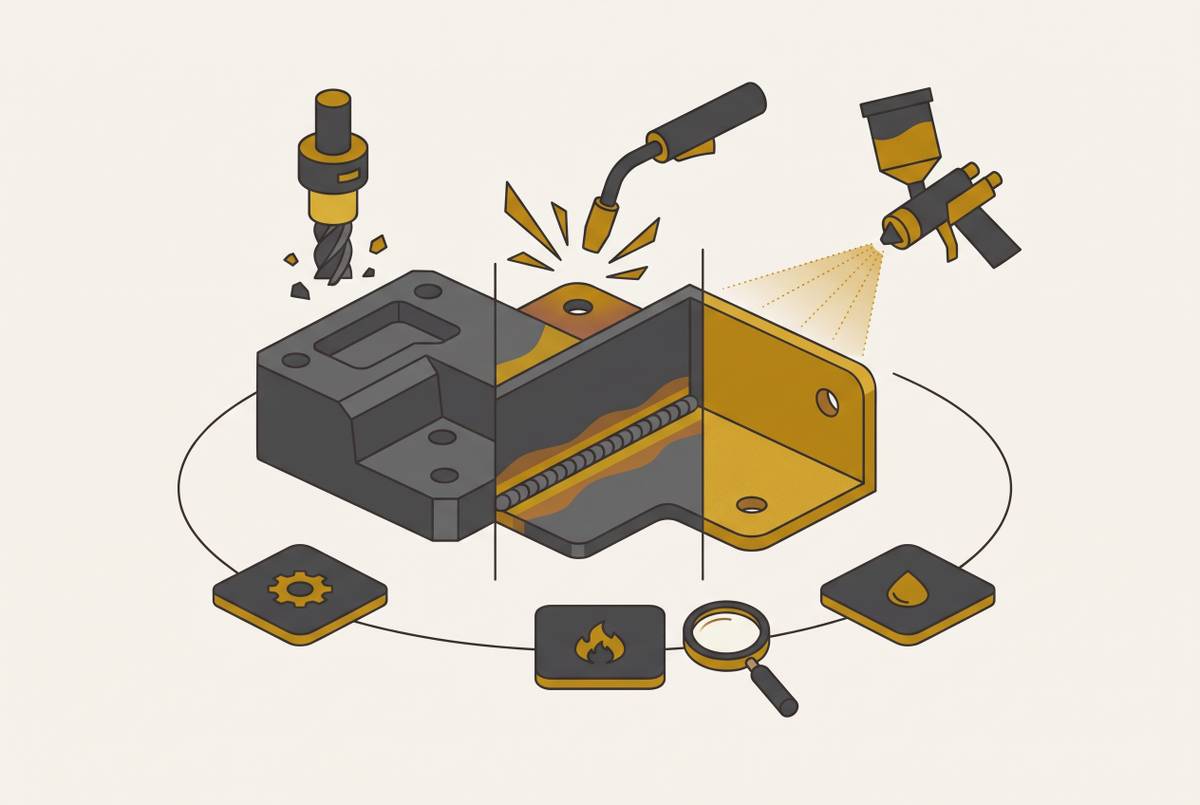
Unified ownership of machining, welding, and coating prevents costly defect disputes.
Incomplete manufacturing specs trap specialty parts in procurement limbo.
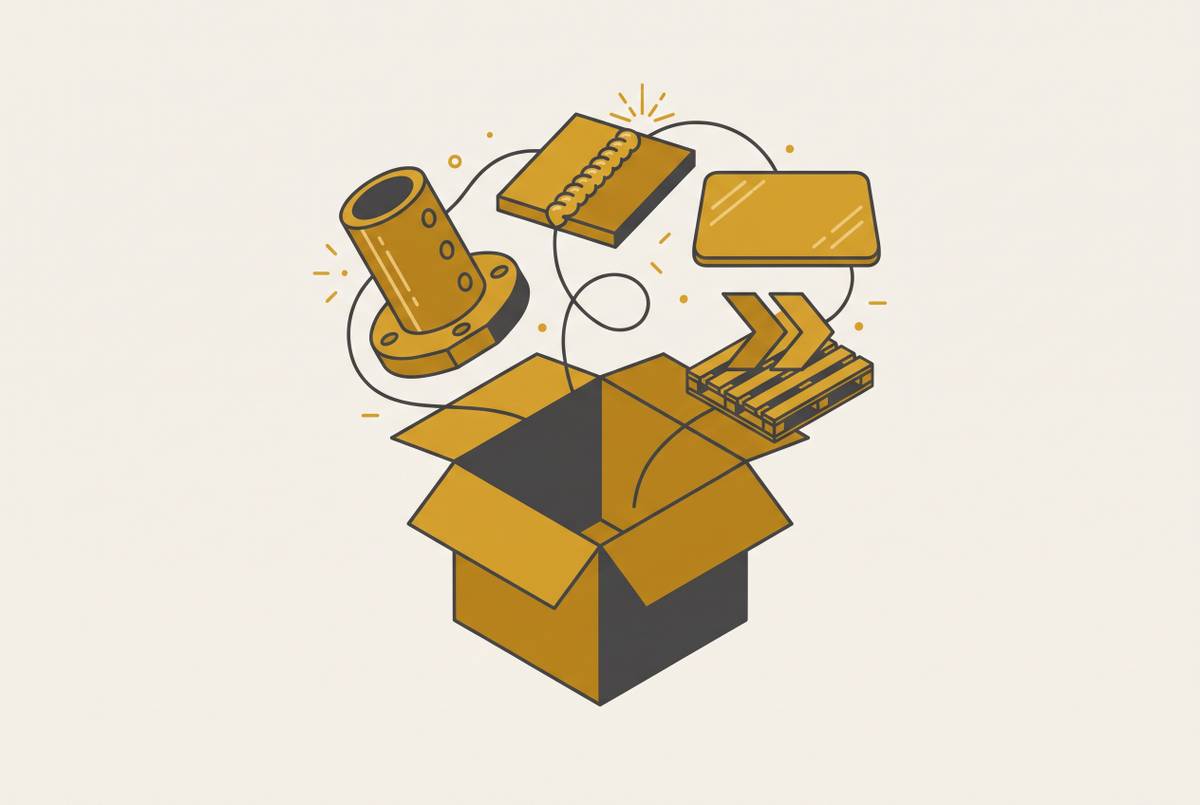
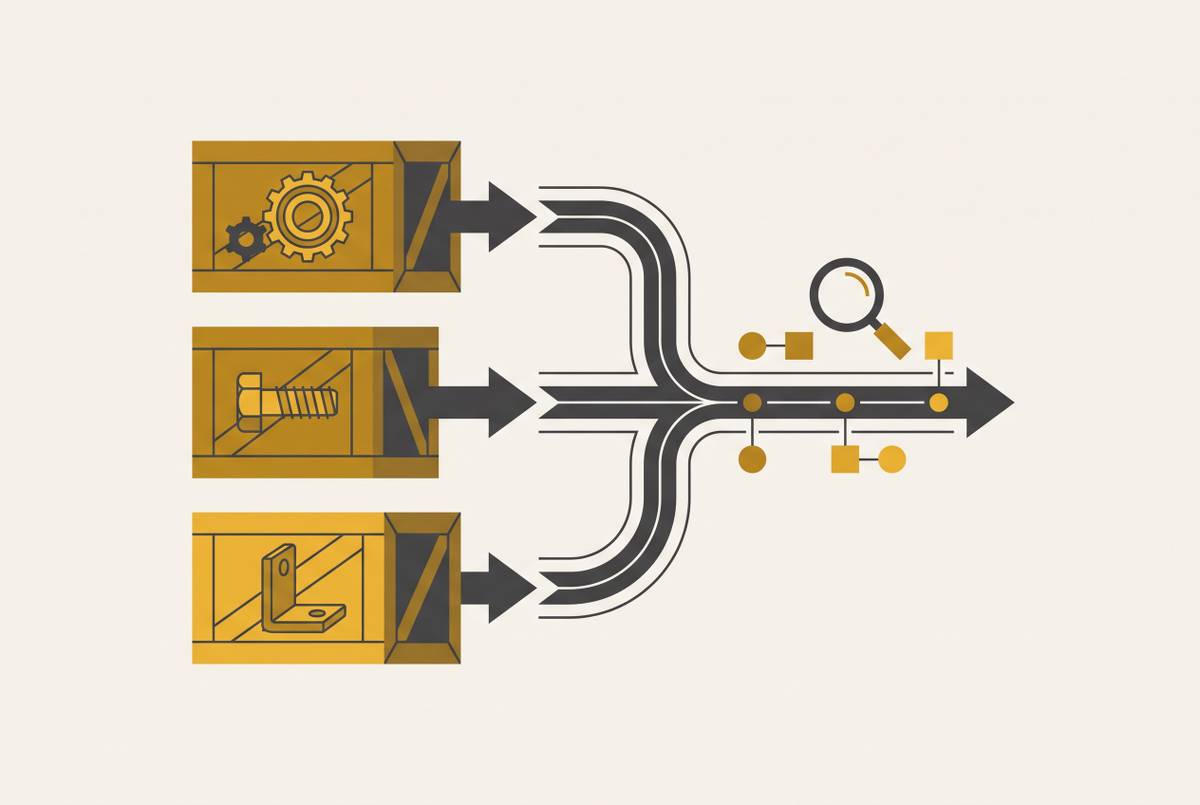
One unified quote and shipment cuts coordination costs out of fragmented assembly sourcing.
Four predictable gaps between quote and invoice explain most custom-parts billing disputes.
A master tracker, specific POs, and check-ins keep vendor parts converging.
Silent BOM misalignment between engineering and production drives delays and scrap costs.
Messy CAD packages stall manufacturer quotes for days through preventable clarification loops.
Complete your BOM before sending RFQs to avoid costly clarification cycles and re-quotes.
One partner owns the entire build sequence and the accountability when something fails.
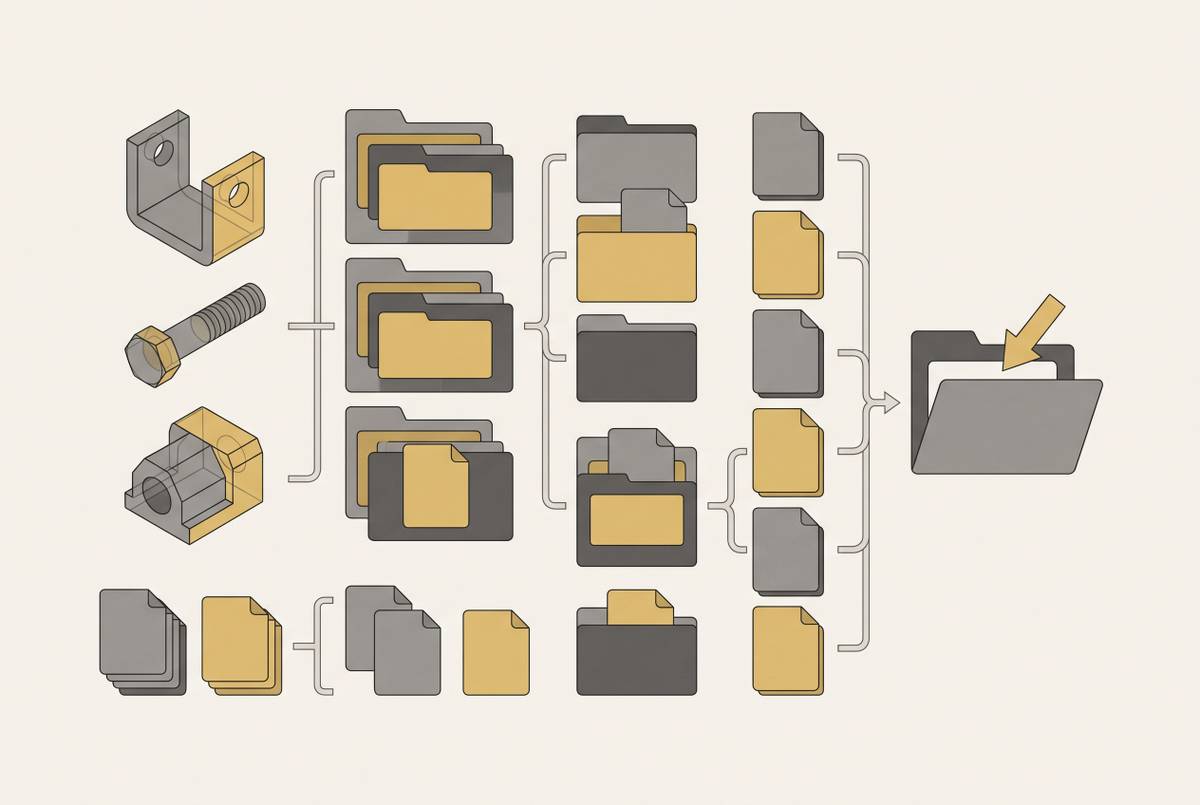
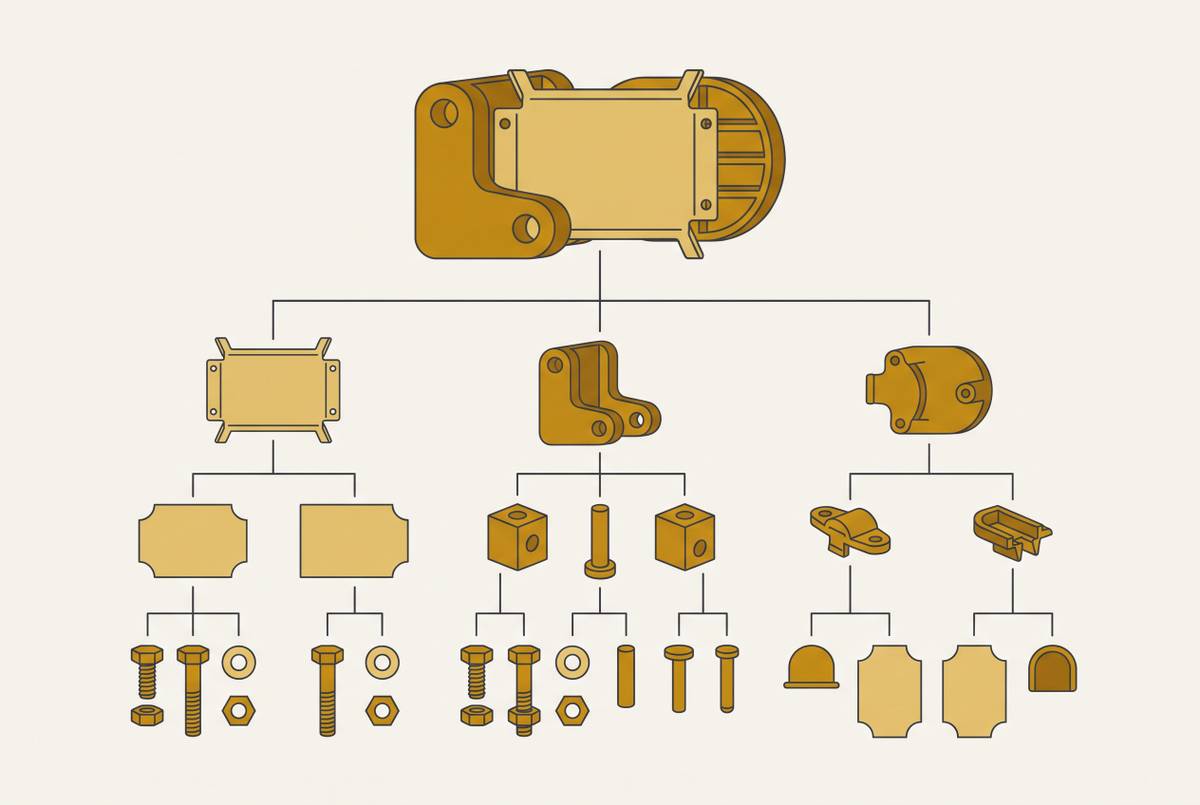
Hierarchical BOMs organize multi-process assemblies by manufacturing sequence, not just parts.